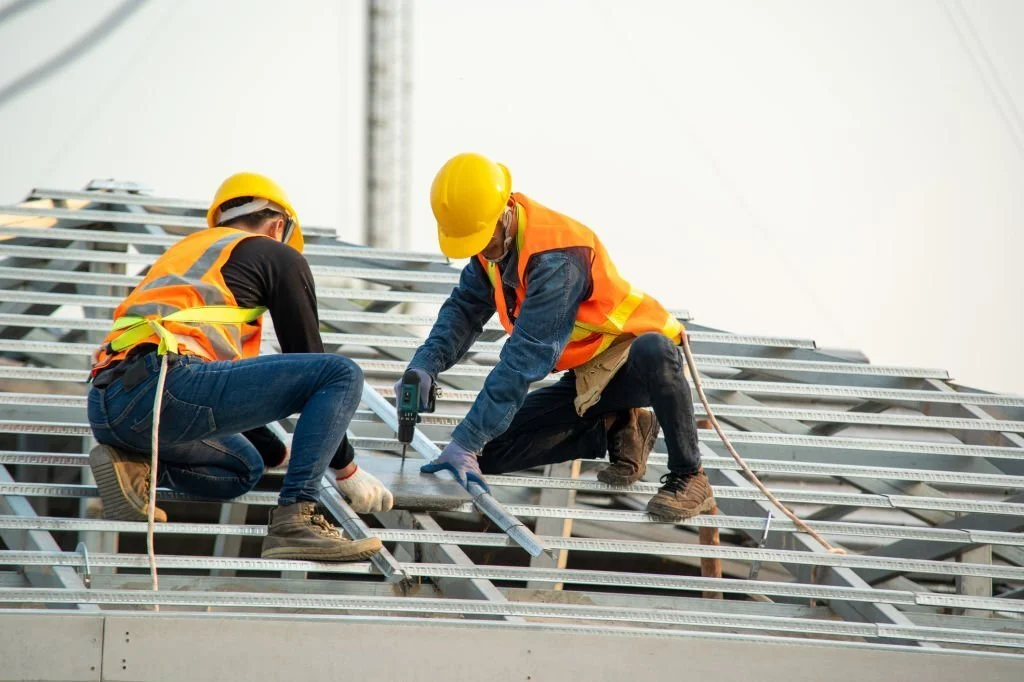
Commercial roof repair is rarely a one-size-fits-all process. Every building has unique structural characteristics, operational requirements, and environmental conditions that influence the best course of action. Property owners often face important decisions about whether to repair specific sections, improve existing components, or plan more extensive restoration work.
Understanding the factors that guide these decisions makes it easier to invest wisely while protecting the building for years to come.
The Overall Condition Of The Roof
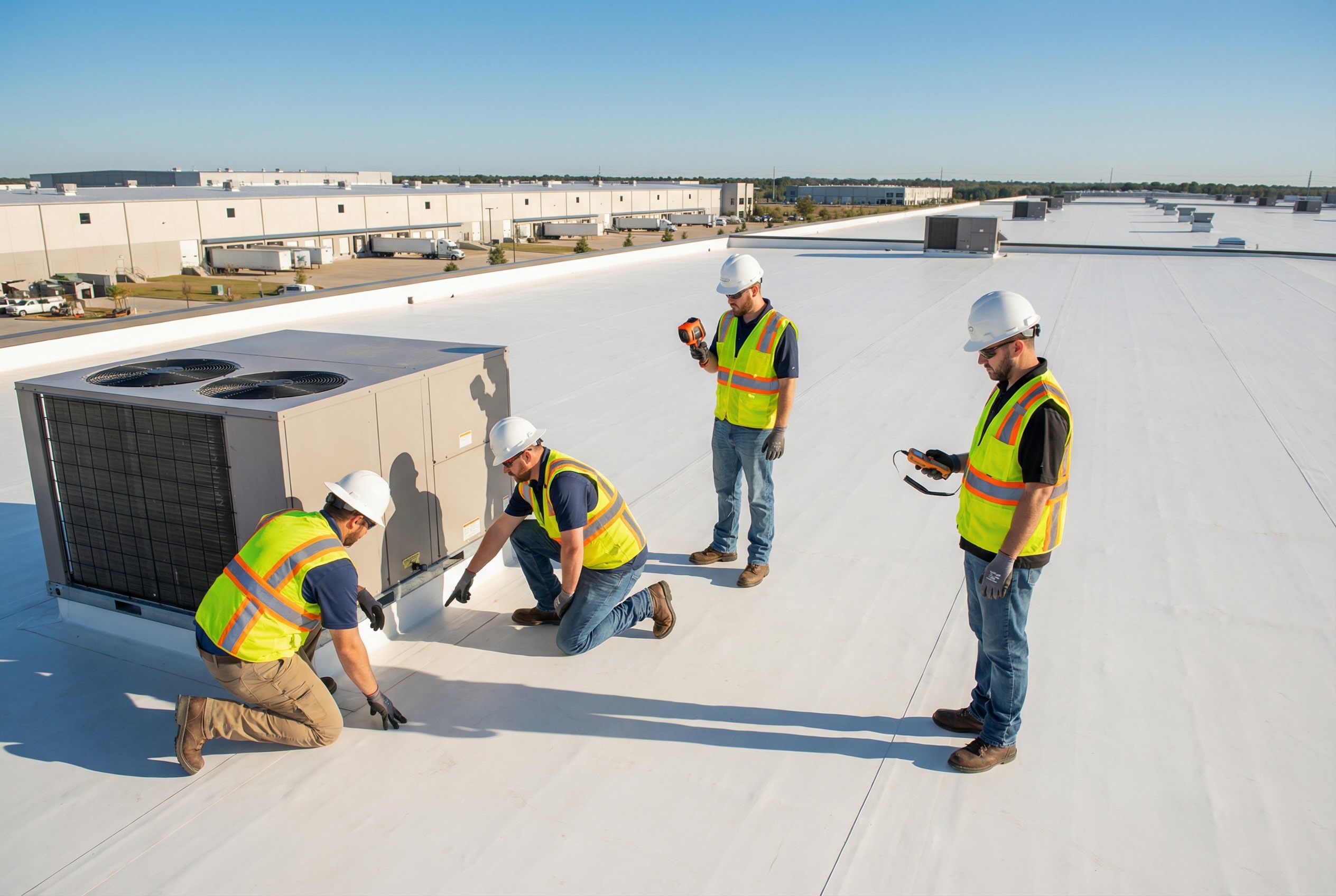
The current condition of the roofing system is one of the first considerations during any repair evaluation. A roof that has been regularly maintained may only require isolated repairs, while one that has received little maintenance may have multiple areas needing attention.
Professionals carefully examine the roofing surface, flashing, drainage components, insulation, and supporting structure before recommending the most appropriate repair strategy.
Type Of Roofing System
Commercial buildings use a variety of roofing systems, including single-ply membranes, modified bitumen, built-up roofing, metal roofing, and spray-applied systems. Each material has its own repair requirements and performance characteristics.
Selecting repair methods that match the existing roofing material helps maintain system compatibility and reduces the risk of future performance issues.
Extent Of Existing Damage
The size and location of damaged areas play a significant role in repair planning. Small isolated problems may be resolved quickly, while widespread deterioration may require more comprehensive solutions.
Experienced contractors distinguish between cosmetic surface wear and damage that affects the roof’s ability to protect the building. This evaluation helps determine the most practical repair approach.
Building Operations
The way a commercial property operates often influences when and how roof repairs are completed. Hospitals, manufacturing facilities, schools, retail centers, and office buildings each have different scheduling requirements.
Repair plans are often designed to minimize disruption by coordinating work around business activities whenever possible.
Accessibility Of The Roof
Some commercial roofs are relatively easy to access, while others contain multiple levels, rooftop equipment, or architectural features that increase project complexity.
Roof accessibility affects labor requirements, equipment selection, and the amount of time needed to complete repairs safely and efficiently.
Long-Term Property Goals
Property owners may have different objectives depending on how they plan to use the building in the future. Some intend to occupy the property for decades, while others may be preparing it for lease or sale.
Repair decisions often reflect these long-term goals by balancing immediate needs with future investment strategies.
Budget Considerations
Financial planning is an important part of every commercial roofing project. While cost should never be the only deciding factor, establishing a realistic budget helps prioritize repairs based on urgency and overall value.
Professional roofing contractors frequently provide repair options that allow property owners to address immediate concerns while planning additional improvements over time.
Manufacturer Guidelines And Warranties
Many commercial roofing systems include manufacturer recommendations regarding approved repair methods and compatible materials. Following these guidelines helps preserve the roofing system’s intended performance.
In some situations, maintaining warranty eligibility may also influence which repair techniques or materials are selected.
Professional Recommendations
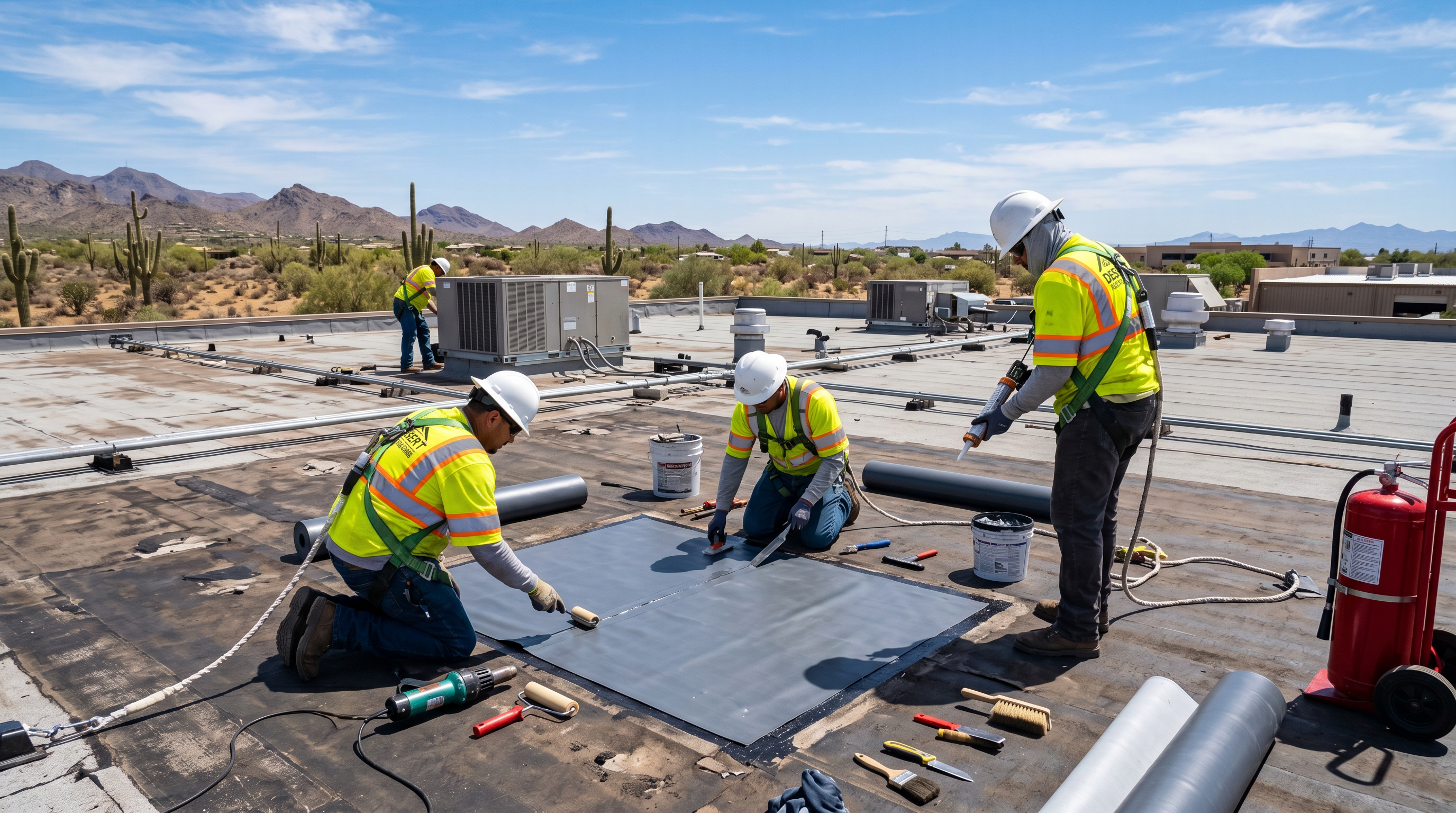
Every commercial roofing project benefits from experienced technical evaluation. Qualified contractors combine inspection findings with knowledge of roofing materials, construction practices, and building performance to recommend appropriate repair solutions.
If property owners hire a commercial roofing company Denver, they may get professional advice that takes into account both current roofing problems and future maintenance needs. This way, the company doesn’t just focus on fixing things that need fixing right away.
Making Confident Roofing Decisions
Commercial roof repair decisions involve far more than fixing visible damage. Building condition, roofing materials, accessibility, operational requirements, financial planning, and long-term ownership goals all contribute to the selection of the right repair strategy.
By understanding these key factors and working closely with experienced roofing professionals, property owners can make informed choices that improve roof performance, reduce unnecessary expenses, and extend the service life of the entire roofing system. Thoughtful repair planning not only protects the building itself but also supports uninterrupted business operations and strengthens the long-term value of the commercial property.