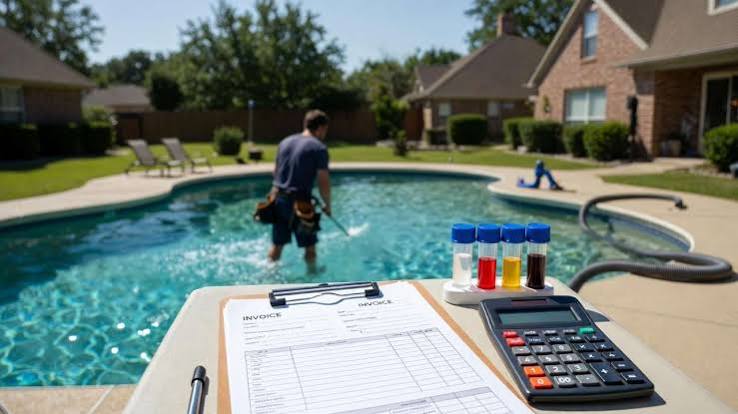
A swimming pool is a valuable addition to any property, but keeping it in excellent condition requires careful attention throughout the year. Many pool owners focus on visible cleanliness without considering how surrounding landscaping, weather conditions, pool materials, and daily usage affect maintenance needs. These factors can influence everything from water circulation to the frequency of professional cleaning.
Hiring a local pool service can simplify pool ownership, but choosing the right provider involves understanding several practical details that homeowners often overlook. Beyond comparing prices and basic cleaning packages, it is important to consider how a maintenance company adapts its approach to individual pools and changing environmental conditions.
Evaluate the Pool’s Surrounding Environment
The environment surrounding a swimming pool has a significant influence on its maintenance requirements. Trees, flowering plants, nearby construction, and exposed outdoor spaces can introduce leaves, pollen, dust, and other contaminants into the water.
Pools located beneath heavy tree coverage may require more frequent skimming and basket cleaning. Meanwhile, properties exposed to windblown dust may experience increased filter loading and sediment accumulation.
Before selecting a maintenance provider, homeowners should determine whether the company considers these environmental factors when planning cleaning schedules. A customized approach can help prevent recurring debris problems and unnecessary strain on filtration equipment.
Understand the Importance of Pool Surface Materials
Swimming pools are constructed using different materials, including plaster, fiberglass, vinyl, and various tile finishes. Each surface has specific cleaning requirements, and using inappropriate tools or chemicals can cause unnecessary damage.
For example, abrasive brushes may damage certain pool finishes, while unsuitable cleaning products can affect surface appearance or contribute to premature deterioration.
A professional technician should understand which maintenance methods are appropriate for the pool’s construction. Homeowners can ask about the cleaning tools and procedures used for their particular pool surface before agreeing to a maintenance plan.
Consider How Swimming Frequency Changes Maintenance Needs
A pool used occasionally by a small household has different maintenance demands than one regularly used for family gatherings or outdoor entertainment. Frequent swimming introduces additional contaminants, including sunscreen, body oils, perspiration, and other organic materials.
These substances can increase sanitizer demand and place additional pressure on filtration systems. Heavy swimming activity may also require more frequent cleaning of baskets and other circulation components.
Pool owners should discuss typical swimming frequency with prospective service providers. This information helps technicians recommend suitable maintenance intervals and identify periods when additional attention may be necessary.
Ask About Seasonal Maintenance Adjustments
Swimming pool maintenance requirements change throughout the year. Warmer temperatures can encourage algae growth and increase chemical consumption, while cooler conditions may reduce certain maintenance demands.
Heavy rainfall can introduce contaminants, dilute pool chemicals, and alter water balance. Extended dry periods may increase evaporation, requiring homeowners to monitor water levels more closely.
A dependable maintenance company should recognize these seasonal changes and adjust its procedures accordingly. Homeowners should ask whether maintenance plans include seasonal recommendations rather than following the same routine regardless of weather conditions.
Examine the Company’s Approach to Water Conservation
Water conservation is becoming an important consideration for swimming pool owners. Excessive backwashing, unnoticed leaks, unnecessary draining, and inefficient maintenance practices can contribute to avoidable water consumption.
Professional pool care should include attention to water levels, potential leakage, and appropriate filtration maintenance. Technicians can also help homeowners understand when water replacement is genuinely necessary.
Before hiring a provider, ask how the company minimizes unnecessary water loss during routine maintenance. Responsible practices can help reduce operating expenses while supporting more efficient pool ownership.
Find Out Whether Maintenance Records Are Provided
One often overlooked feature of professional pool care is proper documentation. Maintenance records allow homeowners to understand what work has been completed and whether recurring problems are developing.
Useful records may include water testing results, chemical adjustments, filter pressure observations, equipment concerns, and recommended follow-up actions.
These reports become particularly valuable when troubleshooting persistent problems or planning future equipment replacement. A service provider that maintains clear records can make pool management more organized and transparent.
Understand Responsibilities Between Scheduled Visits
Even when professional maintenance is performed regularly, homeowners still have responsibilities between service appointments. Unexpected storms, unusually heavy swimming activity, or equipment interruptions can affect pool conditions before the next scheduled visit.
Pool owners should understand which basic tasks they can safely perform independently, such as removing surface debris, checking water levels, and observing whether circulation equipment is operating normally.
A reliable maintenance provider should explain which changes require professional attention. Clear responsibilities help prevent minor issues from becoming more serious.
Consider Long-Term Pool Preservation
Regular maintenance should support more than immediate cleanliness. Pool surfaces, plumbing connections, circulation equipment, and surrounding fixtures all experience gradual wear.
A thoughtful maintenance approach considers how everyday cleaning practices influence the pool’s long-term condition. For example, maintaining appropriate water chemistry can help protect certain finishes and equipment components from premature deterioration.
Homeowners should look for providers who consider the overall condition of the pool and communicate developing concerns before they require extensive restoration.
Conclusion
Choosing a professional pool maintenance provider involves more than arranging weekly cleaning appointments. Environmental exposure, pool construction materials, swimming frequency, seasonal conditions, water conservation, and maintenance documentation all influence the quality of ongoing care.
The right local pool service should recognize these individual requirements and provide practical recommendations suited to the property. By understanding these often overlooked considerations, homeowners can make better hiring decisions, protect their investment, and enjoy a cleaner, more dependable swimming pool throughout the year.